
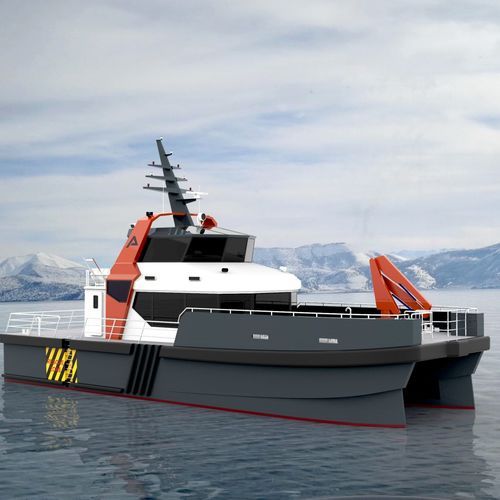
Modern industrial catamaran workboat with orange crane on calm arctic waters.

Could an Omnia intranet keep your crew shipshape at sea?

Navigating the digital shift at sea

There’s something undeniably calming about the routine of the mooring—lines checked, engine warmed, crew briefed—yet the moment you cast off, that sense of control can slip through your fingers if your communication systems aren’t up to scratch. Modern maritime operations demand constant access to safety protocols, maintenance logs, and operational updates, but how do you keep everyone on the same page when internet connectivity flickers in and out like harbour lights in the fog?

For decades, boat operators have relied on a patchwork of methods: bulky ring binders stuffed into damp lockers, photocopied checklists that fade in the sun, and WhatsApp groups where critical messages drown beneath banter about the galley menu. It’s a system held together by habit rather than design, and it leaves shore-based managers guessing whether the crew actually received that updated fire drill procedure or the revised route plan. The risk isn’t just inefficiency—it’s safety gaps that widen the further you sail from reliable signal.

Enter the concept of a modern intranet built for maritime life: a centralised digital platform that brings together safety documents, operational checklists, and real-time updates in one accessible hub. By combining the robust file management of Microsoft SharePoint with a user-friendly interface designed for non-desk workers, you create a system that serves deckhands as well as directors. In this article, we’ll explore how technologies like Omnia and SharePoint can transform how your crew accesses information—whether they’re tied up in port or rolling through open water with patchy signal—and why a digital-first approach goes a long way toward keeping operations shipshape.
Ditching the damp folders for a single source of truth

Picture the scenario: an emergency drill is called, and three crew members pull out three different versions of the abandon-ship procedure—one printed last season, one hastily scribbled with amendments, and one that’s been laminated so many times the text has gone fuzzy. Which one do you follow? This version-control nightmare plays out on vessels large and small, and it’s more than a nuisance. During an actual emergency, conflicting information can cost precious seconds and sow confusion when clarity is everything.

A centralised digital hub eliminates this problem at its root. When your standard operating procedures, safety manuals, and equipment logs live in a single, authoritative location—accessible to everyone with the right permissions—there’s no question about which version is current. Update a document once at the shore office, and the entire fleet sees the change the next time they sync. That’s the power of a proper document management system: one source of truth that doesn’t yellow, tear, or get soaked through during a rough crossing.

Beyond version control, searchability transforms how quickly crew can find what they need. Instead of flipping through hundreds of pages to locate the correct bilge pump maintenance schedule, a deckhand can type “bilge” into a search bar and pull up the relevant procedure in seconds. Consider the practical advantages:

  • Instant keyword searches across all documents, even complex technical manuals
  • Tagging and metadata that let you filter by vessel type, equipment category, or urgency level
  • Audit trails showing who accessed what document and when, crucial for compliance reviews
  • Embedded links to related procedures, so a fire safety checklist can point directly to the location of extinguishers and muster stations

When every piece of information is structured, searchable, and version-controlled, the entire operation becomes more responsive. You’re not just replacing paper with pixels; you’re building a system that actively supports better decision-making under pressure.

Why standard SharePoint needs a crew-friendly interface

SharePoint is a workhorse for document management and collaboration, undoubtedly robust and feature-rich, but its default interface was designed with office workers in mind—people sitting at desks with large monitors and stable broadband. For a deckhand working in gloves on a tablet strapped to a bulkhead, or a skipper checking updates on a phone between watch shifts, the standard SharePoint experience can feel clunky and overwhelming. Menus nest three layers deep, file structures mirror corporate hierarchies that don’t map to shipboard roles, and the mobile web view often strips out the navigation elements that make sense on a desktop.

This is where a dedicated intranet layer like Omnia comes into play. By layering a dedicated interface on top of Microsoft 365, a customised Omnia intranet transforms a complex file repository into an intuitive app that crew can actually use. The interface prioritises mobile-first design, with large tap targets, simple navigation, and content that reformats gracefully whether you’re viewing it on a 6-inch phone screen or a 10-inch tablet. Forms auto-adjust to portrait or landscape orientation, and critical safety information appears prominently on the home screen rather than buried in nested folders.

Equally important is the ability to tailor what each role sees. A skipper doesn’t need the galley team’s provisioning schedules cluttering their dashboard, and a deckhand doesn’t require access to the fleet’s financial reports. Omnia’s segmentation features let you create targeted news feeds and personalised landing pages, so each crew member logs in to see exactly the updates, checklists, and documents relevant to their responsibilities. This isn’t just about reducing clutter—it’s about respecting people’s time and attention, ensuring that when they open the intranet, they find what they need without scrolling past irrelevant noise.

The result is a digital workspace that feels designed for maritime life rather than retrofitted from an office template. Crew engagement improves when the tools actually fit the work, and shore-based managers gain confidence that critical information is reaching the right people in a format they’ll actually use. That’s the difference between a system people tolerate and one they rely on daily.

Staying operational when the signal drops

Let’s be honest: connectivity at sea is patchy at best. Even coastal routes encounter dead zones, and once you’re beyond sight of land, 4G becomes a distant memory unless you’ve invested in expensive satellite systems. Yet operations can’t grind to a halt every time the signal drops. You need access to voyage plans, safety procedures, and equipment manuals regardless of whether your device shows bars or the dreaded “no service” icon.

The good news is that modern cloud platforms like SharePoint and OneDrive include offline synchronisation capabilities that let you work without a live internet connection. The technology syncs files to your device when you’re in port or connected to Wi-Fi, storing them locally so they remain accessible even when you’re miles offshore. Once you reconnect, any changes you’ve made—notes added to a checklist, timestamps on equipment logs—automatically upload to the cloud, keeping shore-based teams in the loop.

To make the most of offline access, establish a workflow around synchronisation. Here’s a practical step-by-step approach:

  1. Before departing port, ensure all crew devices connect to Wi-Fi and open the intranet or OneDrive app to trigger a full sync of updated documents.
  2. Mark critical folders—such as safety manuals, voyage plans, and equipment schedules—for “offline availability” in the OneDrive settings, guaranteeing they download automatically.
  3. During the voyage, crew can open, edit, and save documents as normal; the app stores changes locally and queues them for upload.
  4. Upon returning to port or entering a coverage zone, reconnect to trigger the sync, pushing all offline edits back to the central repository.

This is crucial when you need to access downloaded charts or find inspiration for planning routes without relying on a stable 4G connection. Even in offline mode, you retain the ability to search synced documents, view cached images and diagrams, and complete forms that will submit once connectivity returns. The limitations are minimal: you can’t access files that weren’t synced beforehand, and real-time collaboration with shore teams pauses until you’re back online. But for the core tasks of running a safe, compliant vessel, offline access keeps operations smooth and crew confident.

Digital drills, checklists and safety forms

Paper logs have served maritime operations for centuries, but they come with inherent weaknesses: they’re easy to lose, difficult to audit, and impossible to search once the logbook gets archived in a storage locker ashore. Digital forms solve all of these problems while adding new capabilities that simply weren’t possible with pen and paper. Imagine a fire drill where each crew member taps through an interactive checklist on a tablet, confirming their muster station, equipment check, and readiness—then that data flows directly to the shore office in real time, creating an instant audit trail that satisfies MCA or ISM compliance requirements.

To illustrate the shift, consider this comparison of workflows:

Old Paper Workflow New Digital Workflow
Deckhand fills out paper checklist, which gets filed in a binder. Deckhand completes digital form on tablet; data saves to SharePoint instantly.
Forms are reviewed weekly or monthly when someone remembers to check the binder. Shore managers receive automatic alerts for incomplete or overdue checklists.
Searching for a specific drill record requires manually flipping through months of paperwork. Searchable database lets you filter by date, crew member, drill type, or vessel in seconds.
Damaged or damp forms may become illegible, losing critical data. Digital records backed up to the cloud; no risk of water damage or loss.

The shift to digital also enables real-time incident reporting. When a deckhand spots a defect—a frayed line, a faulty pump, a cracked seal—they can photograph it with their phone and submit a form directly from the spot, attaching the image and a brief description. That report lands in the maintenance queue immediately, where shore-based technicians can prioritise the repair and order parts before the vessel even returns to port. No more scribbled notes that get forgotten in a coat pocket or sticky notes lost to the wind.

You can even integrate specific forms for your safety kit checklist, ensuring that flares, life jackets, and first aid supplies are accounted for before every departure. Set up automated reminders so the system prompts the crew when equipment is due for inspection or replacement, turning compliance from a memory exercise into a managed process. These digital routines don’t replace seamanship—they support it, freeing crew to focus on navigation, guest service, and the hundred other tasks that keep a vessel running smoothly.

Managing seasonal crew and compliance

Many maritime operations face high turnover, especially when seasonal demand swells during summer months or holiday periods. Onboarding a wave of temporary crew means issuing login credentials, granting access to the right documents, and ensuring everyone understands their responsibilities—all while maintaining strict control over who can see sensitive operational data. An intranet built on Microsoft 365 and Omnia simplifies this process through role-based access controls and streamlined account management.

When a new crew member joins, the shore office creates an account with permissions tailored to their role: deckhands see safety checklists and equipment logs, galley staff access provisioning guides and hygiene procedures, and skippers have broader visibility into voyage plans and compliance reports. When someone leaves at season’s end, disabling their account is a single click, instantly revoking access across all systems. This prevents the common problem of former employees retaining login details and inadvertently—or deliberately—accessing information they no longer have a right to see.

Audit trails are equally critical for regulatory compliance. The Maritime and Coastguard Agency (MCA) and International Safety Management (ISM) Code require documented evidence that crew have been trained, that safety drills occurred on schedule, and that equipment inspections happened as mandated. A digital intranet automatically logs who accessed which training materials, when drills were completed, and which crew member signed off on each checklist. During an audit, you can generate reports in minutes rather than scrambling through filing cabinets for paper records. Consider these practical advantages:

  • Timestamped records showing exactly when each crew member completed their fire safety training module
  • Automatic expiry alerts for certifications like first aid or VHF radio licenses, prompting renewals before they lapse
  • Detailed logs of document edits, showing who updated a procedure, when, and what changed—essential for demonstrating continuous improvement
  • Secure storage that meets data protection standards, ensuring crew personal information is handled lawfully

Speaking of data protection, running an internal web portal means you’re technically managing what UK law considers “cookies and similar technologies.” While an internal intranet isn’t subject to the same stringent cookie consent rules as a public website—since crew are authenticated users accessing work-related systems—it’s still worth being transparent about what data you collect and how it’s used. The ICO guidance on cookies and similar technologies clarifies that essential cookies needed to deliver the service don’t require explicit consent, but any analytics or tracking beyond core functionality should be disclosed in your privacy policy.

For crew accessing the intranet on personal devices—an increasingly common scenario with bring-your-own-device policies—make sure your IT setup includes strong authentication (like multi-factor), encryption for data in transit and at rest, and clear policies about what can and can’t be stored locally. This protects both the organisation and the crew, ensuring that if a phone is lost or stolen, sensitive operational data doesn’t fall into the wrong hands. These measures aren’t bureaucratic box-ticking; they’re practical steps that build trust and safeguard the operation.

Steer your operations toward safer horizons

Technology should be a crew’s ally, not an obstacle—a tool that simplifies the complex and amplifies good seamanship rather than burying it under digital clutter. A properly configured intranet does exactly that: it bridges the gap between shore-based management and sea-going operations, ensuring that everyone has access to the information they need, when they need it, regardless of connectivity. From version-controlled safety manuals to offline-ready checklists, from role-tailored dashboards to automatic compliance reporting, the right digital infrastructure transforms how you run a fleet.

Before the next season kicks off, take a hard look at your current communication systems. Are crew still flipping through damp binders for emergency procedures? Do you have confidence that everyone’s working from the latest version of your safety protocols? Can you prove, in minutes rather than days, that all required drills were completed and logged? If any of those questions give you pause, it’s time to consider a shift toward a centralised, mobile-friendly intranet that serves the realities of maritime work. Cast off the outdated methods, embrace tools that support your crew, and steer your operations toward safer, more efficient horizons. The water’s waiting, and with the right systems in place, you’ll navigate it with confidence—undeniably good for the soul, and built to keep everyone shipshape at sea.
Essential Safety Equipment for Every Boat Owner

Stepping aboard your boat opens up a world of freedom and adventure, doesn’t it? But with that freedom comes a serious responsibility – the safety of everyone on board. As a boat owner, ensuring you’re properly equipped isn’t just about ticking boxes; it’s about being prepared for the unexpected twists the water can throw at you. While specific legal requirements can vary significantly depending on your boat’s size, type, and where you plan to roam – from sheltered inland waters to the open sea – there’s one piece of gear that’s almost universally mandatory: a suitable Personal Flotation Device (PFD) for every single person on board. Beyond that fundamental rule, the list expands based on regulations and good sense. Think of this gear as your onboard lifeline, covering personal safety, vessel security, signalling, communication, fire prevention, and more – all ready to make a critical difference when seconds count.

personal safety equipment protecting your crew

Nothing is more important than the well-being of those on board. This section focuses on the gear designed specifically to keep people safe, starting with the absolute cornerstone of marine safety.

personal flotation devices (pfds) your first line of defense

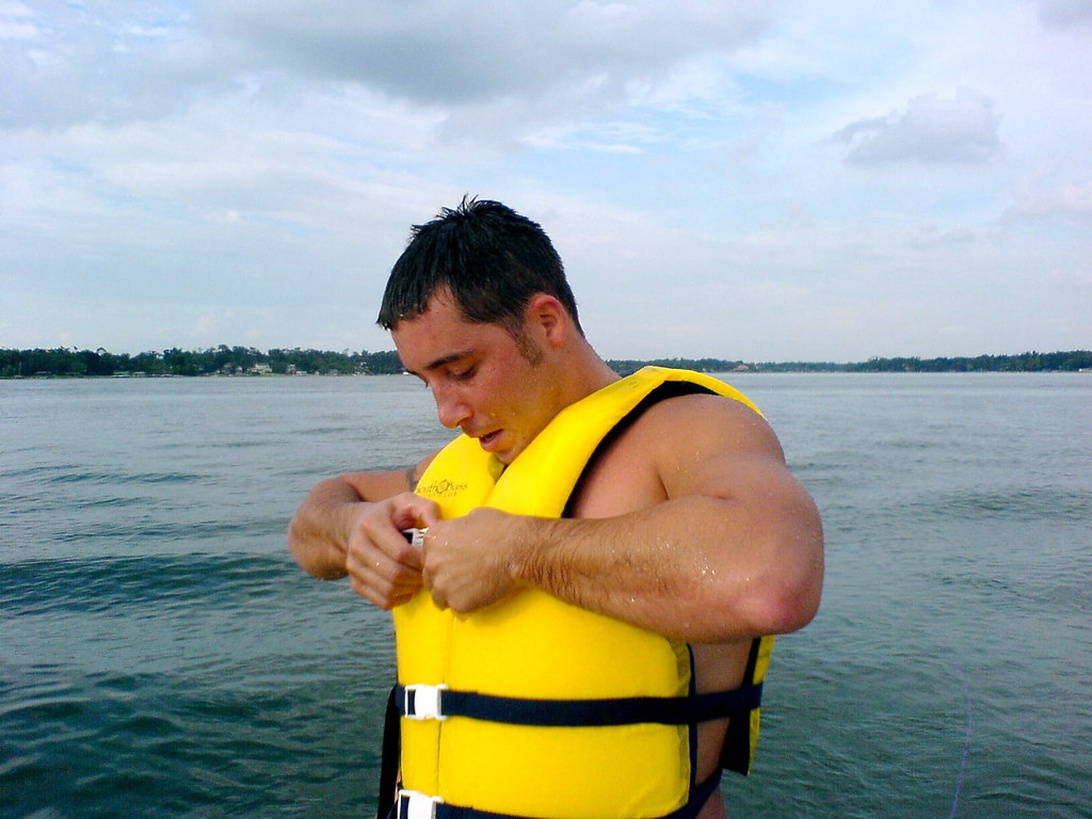
Let’s talk about the most crucial kit: Personal Flotation Devices, or PFDs. Sadly, statistics consistently show that drowning is a major cause of boating fatalities, often because victims weren’t wearing a PFD. That’s why having enough approved PFDs for every single person on your vessel isn’t just smart, it’s mandated by law almost everywhere. This includes folks being towed on skis or tubes, and often those on kayaks, canoes, and paddleboards when outside designated swimming or surf zones, as regulations like those from the Virginia DWR make clear. You’ll need PFDs that are approved by the relevant authority (like the U.S. Coast Guard or equivalent national body), in good condition (no rips, tears, or degraded material), and correctly sized for each individual – check the label! A poorly fitting jacket can be almost as bad as no jacket at all, especially for children; look for ones with crotch straps for the little ones to prevent them slipping out. Critically, PFDs must be readily accessible, not buried in a locker under piles of gear. For boats over a certain size (often around 16 feet/4.9 metres, though specifics vary by region), you’ll also typically need at least one throwable flotation device (like a Type IV ring buoy or cushion) ready to toss to someone in the water, a requirement detailed in resources like the NJ State Police Marine Services Bureau checklist.

understanding pfd types buoyancy aids vs life jackets

PFDs aren’t all the same. They generally fall into two broad categories: buoyancy aids (often corresponding to US Type III or international Level 50/50N) and life jackets (US Type I/II or Level 100/150/150N and higher). Buoyancy aids are typically more comfortable for continuous wear during activities like dinghy sailing or watersports in calmer, inshore waters, but they usually require the wearer to be conscious to keep their head above water. Life jackets offer greater buoyancy and are designed with the aim of turning an unconscious wearer face-up in the water, making them essential for offshore conditions or when rescue might be delayed. The higher the Level or Type number, generally the more buoyancy and turning ability it provides. Always check local regulations, as specific types may be required depending on the boat, location, and activity. For example, laws like those in New Jersey often mandate that children under 13 must *wear* an appropriate PFD on moving boats unless inside a closed cabin.

inflatable pfds comfort and considerations

Inflatable PFDs are incredibly popular due to their low profile and comfort, making people more likely to wear them. They are generally approved for adults (often 16 years and older) but remember, they often only count towards the legal requirement *if worn* (check your local rules!). Maintaining inflatables is vital: regularly check the gas cylinder is full and correctly installed, ensure the automatic inflation mechanism (if fitted) shows it’s armed (usually a green indicator), and periodically inflate it manually using the oral tube to check for leaks. Always check the manufacturer’s label for restrictions, as some aren’t suitable for high-impact activities like waterskiing or PWC use. As Virginia DWR notes, they must have a functional inflation mechanism and be airtight.

vessel safety and security keeping your boat safe

Beyond personal gear, keeping the boat itself secure, afloat, and free from hazards like fire is crucial. This involves managing water, staying put when needed, and preventing fires.

managing water onboard bilge pumps and bailers

Keeping unwanted water out of your boat is fundamental. Even small amounts sloshing around can affect stability, and larger quantities obviously pose a serious threat. Most boats, especially those with enclosed bilge spaces or multiple compartments below deck, are required to have a bilge pump system. This could be manual or electric, capable of removing water effectively from bilge sections – if you have multiple compartments, ensure you can pump each one out, as Marine Safety SA advises. Always ensure the pump intake is clear of debris – a simple filter or strainer is crucial. Alongside pumps, a sturdy bailer or bucket with a lanyard attached is an essential backup, required on many smaller vessels and highly recommended for all. A simple bucket can be surprisingly effective for shifting water quickly, and as highlighted in AMSA’s safety checklist, it can double as a fire bucket. Don’t underestimate its value; in heavy weather, a bucket can even serve as a makeshift sea anchor (drogue) to help slow your drift, a point also noted in NSW Government safety guidelines.

the anchor more than just for parking

Your anchor is far more than just a tool for stopping for lunch; it’s critical safety gear. If your engine fails, especially near shore, in strong winds, or currents, deploying your anchor quickly can prevent drifting into danger – onto rocks, into shipping lanes, or onto a lee shore. Having the right type and size of anchor for your boat and the typical seabed (like a fluke/Danforth for sand/mud, or a plough/Bruce/Delta for mixed bottoms) is key. Just as important is having enough anchor rode – the combination of chain and rope. A common rule of thumb is a minimum scope (ratio of rode length to water depth) of 5:1, increasing to 7:1 or more in rougher conditions. A good length of chain (say, 6-10 metres) at the anchor end helps it dig in effectively and reduces chafe on the rope. As resources like Discover Boating emphasize, it’s vital for holding your ground when things go wrong.

fighting fires fire extinguishers

Fire is a terrifying prospect on any boat. Fuel, electrical systems, and cooking appliances all present risks. Carrying approved marine fire extinguishers is mandatory for most powered vessels and highly recommended for all. The number and type (commonly classified B-I or B-II for flammable liquid fires) depend on your boat’s length and features. Even smaller boats under 26 feet often require an extinguisher if they have inboard engines, permanently installed fuel tanks, closed compartments where fuel could be stored, or enclosed living spaces, as outlined by Ace Boater. Ensure extinguishers are marine-approved (check for USCG approval or equivalent), readily accessible, fully charged (check the gauge!), and within their service date (often 12 years from manufacture, check the label). Everyone aboard should know their location and how to operate them using the PASS method: Pull the pin, Aim at the base of the fire, Squeeze the handle, Sweep side to side. Specific size requirements, sometimes based on the amount of flammable liquid carried, can be found in resources like Marine Safety SA guidelines.

preventing fuel vapour hazards

For boats with petrol engines (except outboards), preventing explosive fuel vapour build-up is critical. Regulations generally require adequate ventilation for engine and fuel tank compartments, typically involving intake and exhaust ducts. Boats built after certain dates (e.g., August 1980 in the US) with enclosed petrol engine compartments usually also need powered exhaust blowers. Always run your blower for several minutes before starting the engine! Additionally, inboard petrol engines installed after 1940 generally must have an approved backfire flame arrestor on each carburettor to prevent engine backfires igniting fumes, as specified in resources like the Ace Boater safety equipment guide.

communication and signalling being seen heard and found

Whether avoiding collisions, navigating in poor visibility, or calling for help, effective communication and signalling are vital at sea.

making noise sound signals

Being able to attract attention with sound is vital, whether in distress or simply signalling your intentions or presence, especially in fog. Regulations typically require boats to carry some form of sound-producing device. For smaller boats, this might be a simple whistle or an air horn (gas-powered or manual). Larger vessels (often over 12 metres/39 feet) usually need both a whistle/horn *and* a bell. The key is that the signal must be audible enough for the conditions – typically for at least half a nautical mile. Don’t rely on shouting; a proper signalling device carries much further and is universally recognised, a requirement noted by multiple authorities including Ace Boater.

being seen visual distress signals (vds)

Visual Distress Signals (VDS) are equally critical for attracting attention, particularly over longer distances or when sound might not carry. Requirements vary significantly based on location (coastal vs. inland), boat size, and time of day. Common VDS include pyrotechnic flares (handheld red for day/night, parachute for long-distance night signalling, orange smoke for daytime), flags (like the orange distress flag), and approved electric distress lights (strobes or EVDS). For coastal waters, you’ll generally need signals suitable for both day and night use. Remember pyrotechnic flares have expiry dates and must be replaced. Handling and storage require care – keep them dry and accessible. Responsible disposal is also crucial; UK government guidance highlights that dumping expired flares is illegal and dangerous. Look for official disposal schemes via chandlers, marinas or local authorities. Increasingly, electronic visual distress signals (EVDS) are becoming accepted alternatives or supplements, offering longer operating times and easier handling, as PBO highlights. Some regions, like NSW, Australia, also mandate carrying a V-sheet (a large fluorescent orange sheet with a black ‘V’) for signalling aircraft when operating offshore.

essential navigation lights

Don’t forget your navigation lights! If you plan to be out between sunset and sunrise, or during restricted visibility (fog, heavy rain), having the correct, functioning navigation lights is mandatory. These lights (typically masthead, side, stern, or all-round white lights depending on boat type and size) allow others to see you and determine your status and direction. Check your bulbs or LEDs regularly and ensure lenses are clean. Requirements are specific based on vessel length and type, so consult applicable regulations, like those detailed by the New Jersey State Police Marine Services Bureau.

staying connected vhf radio

While mobile phones are useful backups, they shouldn’t be your primary emergency communication at sea due to potential signal gaps. A VHF (Very High Frequency) marine radio is the standard. A fixed-mount DSC (Digital Selective Calling) VHF is ideal; the DSC function is a crucial safety feature, sending an automated digital distress alert, including your position if linked to a GPS, to the Coast Guard and nearby DSC-equipped vessels with one button push. A handheld VHF is incredibly useful as a backup or for taking in a tender or liferaft. Remember, in many countries, you need a license to operate a fixed DSC VHF. Keep your radio tuned to Channel 16 (the primary distress, urgency, and safety channel) or the relevant local channel. Having at least two waterproof ways to communicate is often recommended, per advice from Coastguard New Zealand.

your satellite lifeline epirbs and plbs

For offshore passages or trips far from shore (often defined as beyond 2-3 nautical miles), carrying an Emergency Position Indicating Radio Beacon (EPIRB) or a Personal Locator Beacon (PLB) becomes essential, and often mandatory. An EPIRB is registered to the vessel and, when activated, transmits a powerful distress signal via satellite directly to rescue coordination centres, pinpointing your location globally. A PLB works similarly using the same satellite system but is smaller, registered to an individual, and designed to be carried on your person – invaluable if separated from the boat (Man Overboard) or for activities like kayaking or hiking. Both types require registration with the relevant national authority (like AMSA in Australia or NOAA in the US) so rescuers know who you are and essential details about your vessel or trip. Ensure batteries are in date and the unit is readily accessible, perhaps in a dedicated ‘grab bag’, a concept Yachting Monthly discusses.

beyond the basics enhancing your preparedness

While the items above cover many legal requirements and core essentials, a truly prepared skipper thinks beyond the minimum. Consider adding these to your inventory and integrating safety checks into your routine.

essential extras for preparedness

A well-stocked first aid kit, tailored to your trip length and remoteness, is crucial. Include basics plus items for marine issues like seasickness or jellyfish stings. A basic toolkit can prevent minor mechanical issues from escalating. A good knife is indispensable for cutting lines or other emergencies. Always carry a reliable, waterproof torch (floating model preferred) with spare batteries – essential for night operations or signalling. Depending on your boat, paddles or oars (often required for smaller boats without backup propulsion), spare fuel (stored safely!), and navigation tools like a compass and paper charts (backup for electronics) are wise additions. Consider a ‘grab bag’ – a waterproof bag with essential survival items (EPIRB/PLB, handheld VHF, torch, first aid basics, knife, water, snacks) ready to go if abandoning ship. Larger vessels may also need specific placards displayed regarding oil discharge or waste disposal, as noted by the NJ State Police Marine Services Bureau. Having freshwater onboard, sometimes mandated at 2 litres per person for open water trips as per NSW Government guidelines, is also vital.

proactive safety checks briefings and planning

Having the right gear is only half the battle; it needs to work, and everyone needs to know how to use it. Make safety a proactive habit. Make regular checks routine: inspect PFDs, check fire extinguisher gauges/dates, test lights and electronics, check flare expiry, ensure batteries are fresh. Before each trip, use a pre-departure checklist, like those suggested by Boat Ed. Crucially, brief your passengers – even casual guests. Don’t assume they know anything about boats. A simple briefing should include: ‘Show guests where PFDs are stored and how to put one on correctly. Point out the location of fire extinguishers and flares. Briefly explain how to use the VHF radio to call for help on Channel 16 in an emergency.’ Always check the marine weather forecast before leaving and understand the conditions. Know the waters you’ll be navigating – protected, semi-protected, or open/unprotected waters, as defined by authorities like Marine Safety SA, often have different equipment rules. Filing a float plan or trip report with someone ashore (detailing your route and ETA) is a simple but potentially life-saving habit, often facilitated by apps like the RYA SafeTrx mentioned by PBO. Remember, authorities like the Texas Parks & Wildlife Department have the right to inspect your vessel for required safety equipment.